
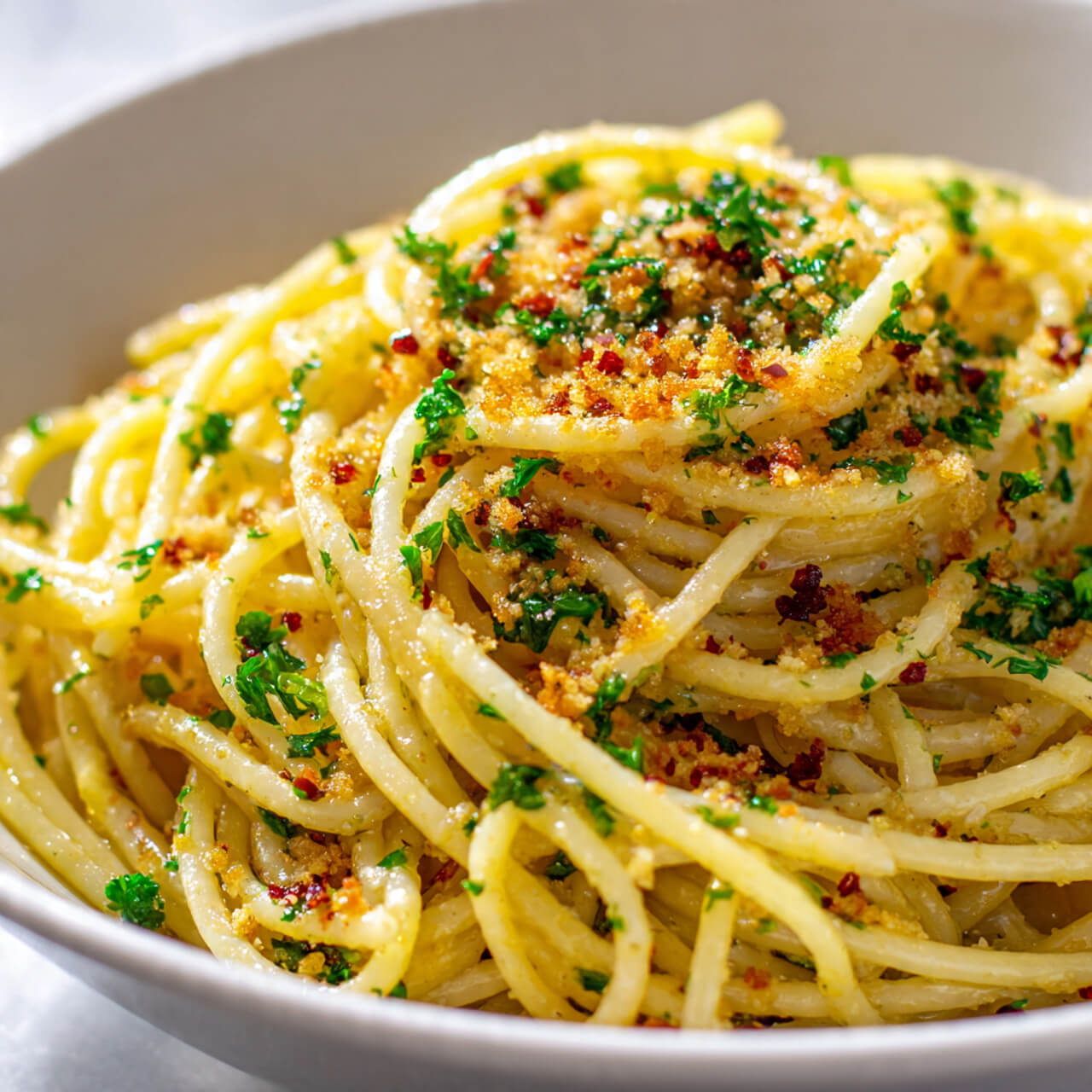
Some nights I open my fridge, stare into it like it personally betrayed me, and think, “Well… guess it’s pasta again.”
But here’s the thing. When that pasta turns into 10-minute aglio e olio with a twist, I don’t feel lazy. I feel brilliant.
If you’ve ever searched for quick aglio e olio recipe, easy garlic olive oil pasta, or authentic spaghetti aglio e olio, you already know the classic formula: pasta, garlic, olive oil, red pepper flakes, parsley. Simple. Elegant. Italian grandma approved.
Today, I’m sharing my go-to version with a small but game-changing twist that makes this humble dish feel restaurant-level—without turning it into a 45-minute production.
Let’s cook.
What Is Aglio e Olio (And Why It Works So Well)?
Aglio e olio literally means “garlic and oil.” That’s it. No cream. No tomato sauce. No cheese in the traditional version.
You sauté garlic in good olive oil, toss it with spaghetti, add chili flakes and parsley, and finish with pasta water to create a silky sauce.
Why does something so basic taste so good?
Because it relies on:
- Perfectly cooked pasta
- Golden, not burnt, garlic
- High-quality olive oil
- Starchy pasta water for emulsification
When you get those right, magic happens.
My Twist (That Purists Might Side-Eye… But Secretly Love)
Okay, don’t come for me.
I add lemon zest and a small knob of butter at the end.
That’s it.
The lemon zest brightens the garlic and olive oil. The butter helps the sauce emulsify into something glossy and luxurious. You still taste the classic flavors. You just get depth and balance.
Ever tasted aglio e olio and thought, “This needs something”? That’s what the twist solves.
And no, it doesn’t turn into Alfredo. Relax 🙂
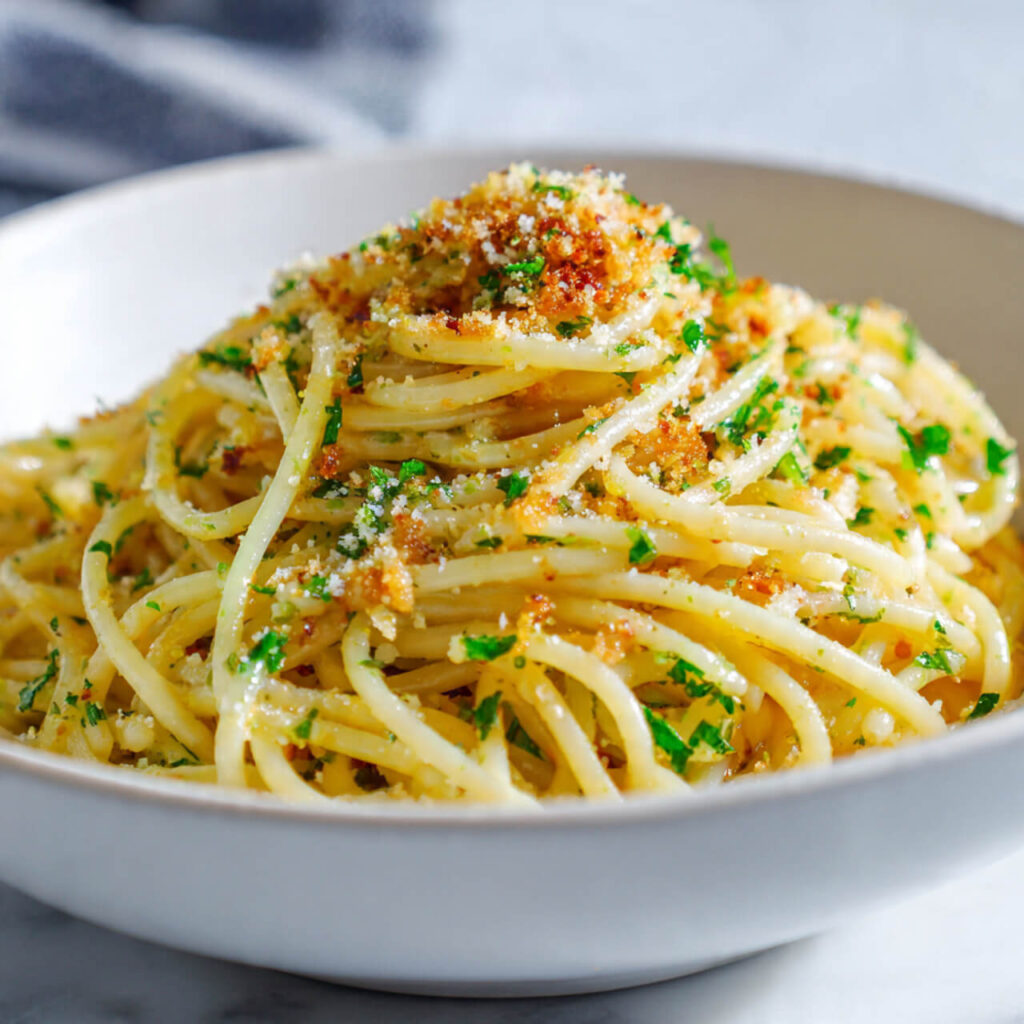
Ingredients You’ll Need (And Why They Matter)
Core Ingredients
- 12 oz spaghetti
- 6 cloves garlic, thinly sliced
- ½ cup extra virgin olive oil
- ½ teaspoon red pepper flakes
- ½ cup fresh parsley, chopped
- Zest of 1 lemon
- 1 tablespoon unsalted butter
- Salt to taste
- Reserved pasta water (about 1 cup)
Why Quality Matters
This dish has nowhere to hide. If your olive oil tastes flat, the whole pasta tastes flat.
I love using Colavita Premium Italian Extra Virgin Olive Oil
👉 https://amzn.to/4u0lBL5
It tastes fruity and peppery without overpowering the garlic. IMO, this makes a noticeable difference.
For pasta, I usually grab De Cecco Spaghetti No. 12
👉 https://amzn.to/4s1phKy
It holds texture beautifully and releases enough starch for a silky sauce.
Step-by-Step: How I Make 10-Minute Aglio e Olio With a Twist
Step 1: Boil the Pasta
Bring a large pot of heavily salted water to a boil.
Cook spaghetti until just shy of al dente. Trust me here. You’ll finish it in the pan.
Before draining, scoop out at least 1 cup of pasta water. That liquid gold matters more than you think.
Step 2: Gently Cook the Garlic
Heat olive oil in a large skillet over medium-low heat.
Add sliced garlic and cook slowly. Stir constantly.
You want light golden edges, not dark brown chips. Burnt garlic tastes bitter and ruins everything.
Add red pepper flakes and cook for 30 seconds.
Smell that? That’s dinner.
Step 3: Bring It All Together
Add drained pasta directly to the skillet.
Toss immediately.
Add:
- ½ cup reserved pasta water
- Lemon zest
- Butter
Now stir aggressively. Shake the pan. Move it around.
You want the water and oil to emulsify into a glossy sauce that coats every strand.
Add more pasta water if needed.
Finish with chopped parsley and salt to taste.
Done.
Yes. That fast.
The Secret to Perfect Emulsification
Ever made aglio e olio that tasted oily instead of silky? That happens when the oil and water don’t bind properly.
Here’s what fixes it:
- Use starchy pasta water
- Keep heat moderate
- Toss continuously
- Add butter at the end
That small amount of butter acts as an emulsifier. It creates a creamy texture without adding cream.
It feels fancy. It’s not. It’s just smart cooking.
Common Mistakes I’ve Made (So You Don’t Have To)
I’ve messed this up more than once.
Here’s what to avoid:
- Burning the garlic – Cook low and slow.
- Under-salting the pasta water – Pasta absorbs flavor early.
- Skipping pasta water – Big mistake.
- Adding lemon juice too early – It dulls the oil. Add zest at the end.
Small adjustments make a massive difference.
Want to Upgrade It Even More?
Sometimes I add:
- Grated Parmigiano-Reggiano (not traditional, but delicious)
- Toasted breadcrumbs for crunch
- Sautéed shrimp
- Baby spinach for color
But honestly? I keep coming back to the simple lemon twist version.
Why complicate perfection?
Tools That Make It Easier
You don’t need fancy equipment, but a few tools help:
- Large sauté pan – I use the All-Clad D3 Stainless 12-inch Fry Pan
👉 https://amzn.to/4kP51tg
It distributes heat evenly and prevents hot spots. - Microplane Zester – For perfect lemon zest
👉 https://amzn.to/4tJvT1Q - Tongs – Essential for tossing pasta properly
Good tools don’t cook for you. But they make the process smoother. FYI 🙂
Why Americans Love This 10-Minute Pasta
Let’s be honest. We love:
- Fast dinners
- Minimal ingredients
- Bold flavor
- Pantry-friendly meals
This easy garlic olive oil pasta checks every box.
It works for:
- Late-night cravings
- Busy weeknights
- Impressing someone without looking like you tried too hard
Ever served this with crusty bread and a glass of wine? Instant cozy vibes.
Nutritional Bonus
Unlike heavy cream sauces, this pasta feels lighter.
Olive oil provides heart-healthy fats. Garlic adds antioxidants. Lemon brightens without adding calories.
It’s indulgent without being over-the-top.
Balance. We love to see it.
Ingredients
Method
- Boil salted water and cook spaghetti until slightly under al dente.
- Reserve 1 cup pasta water and drain pasta.
- Heat olive oil in skillet over medium-low heat.
- Add garlic and cook until lightly golden.
- Add red pepper flakes and cook 30 seconds.
- Add pasta to skillet.
- Pour in ½ cup pasta water, lemon zest, and butter.
- Toss vigorously until sauce emulsifies.
- Add parsley and salt. Adjust consistency with more pasta water if needed.
- Serve immediately.
Notes
- Do not brown the garlic too much. Light golden only.
- Salt the pasta water generously. It should taste like the sea.
- Use fresh lemon zest, not bottled juice.
- Serve immediately for best texture.