
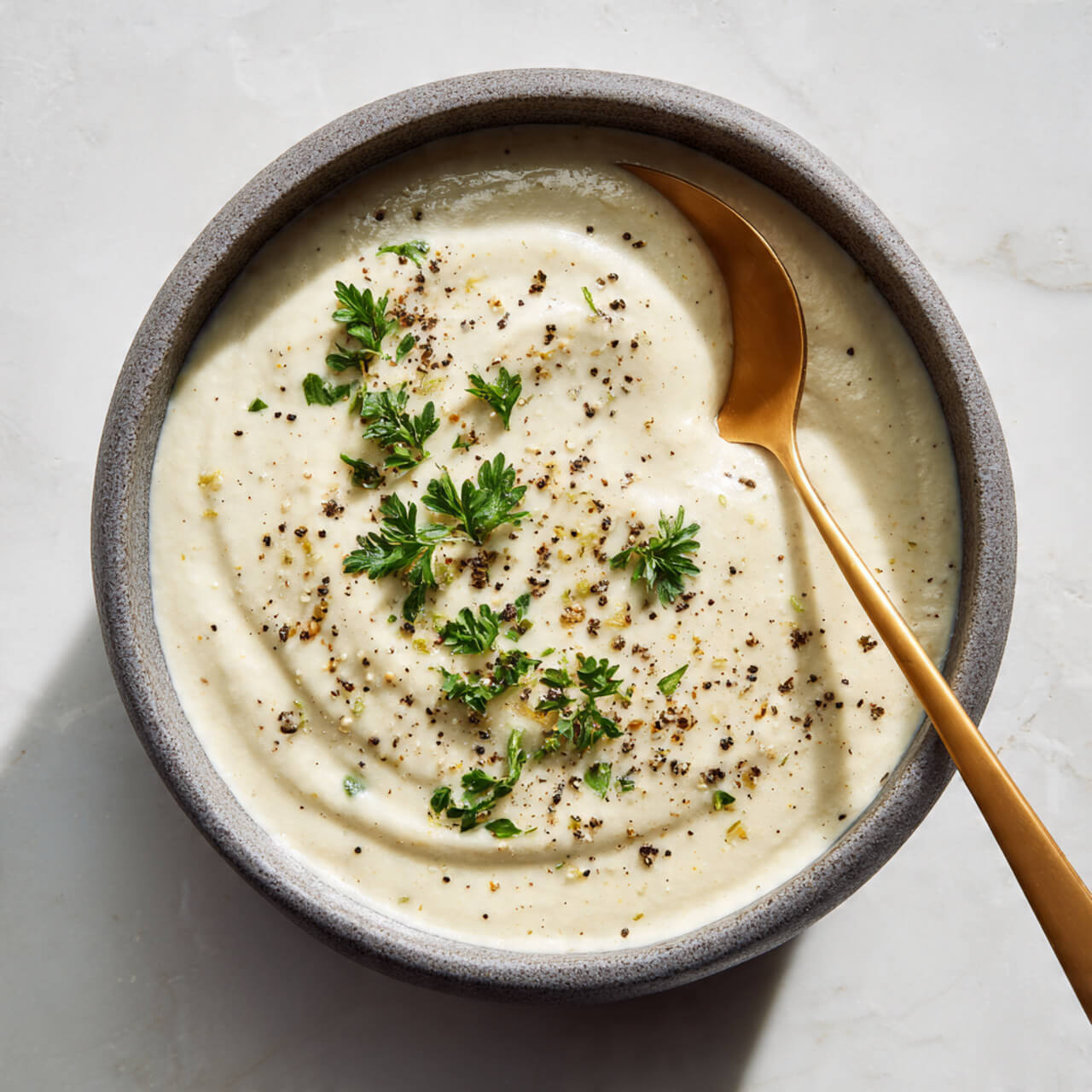
I still remember the first time I told my family I was making Alfredo sauce without cream, butter, or cheese. The looks I got? Let’s just say… skeptical would be generous. Someone actually asked if we should keep backup pizza on standby.
Fast forward one dinner later, and the entire pan was wiped clean. No leftovers. No complaints. Just silence and very suspicious second helpings. That was the moment I knew this vegan cauliflower Alfredo sauce wasn’t just “good for a healthy version.” It was actually good.
If you’re craving that cozy, creamy, restaurant-style pasta but don’t want dairy weighing you down, this sauce is about to become your new obsession. Ever wondered how cauliflower turns into something this luxurious? Yeah, I didn’t believe it either—until I made it.
Why I Swear by Cauliflower Alfredo (And Keep Making It)
I’ve tried cashew Alfredo, tofu Alfredo, store-bought vegan jars… you name it. Some taste chalky. Some taste like sadness. Some require soaking nuts overnight, which—IMO—is just rude when you’re hungry.
Cauliflower Alfredo works because:
- It’s naturally creamy when blended
- It doesn’t overpower the dish
- It absorbs flavor like a champ
- It’s lighter but still satisfying
Plus, it sneaks veggies into dinner without announcing itself. That’s a win.
What Makes This Sauce Different From Other Recipes
After testing this recipe more times than I’ll admit, I noticed patterns in the best versions out there. The top-ranking recipes all nailed a few key things—and I built on them.
Here’s what actually matters:
- Roasting or simmering cauliflower until very soft
- Using garlic generously
- Adding nutritional yeast for umami
- Blending while hot for maximum creaminess
Skip any of those, and the sauce falls flat. No drama—just facts.
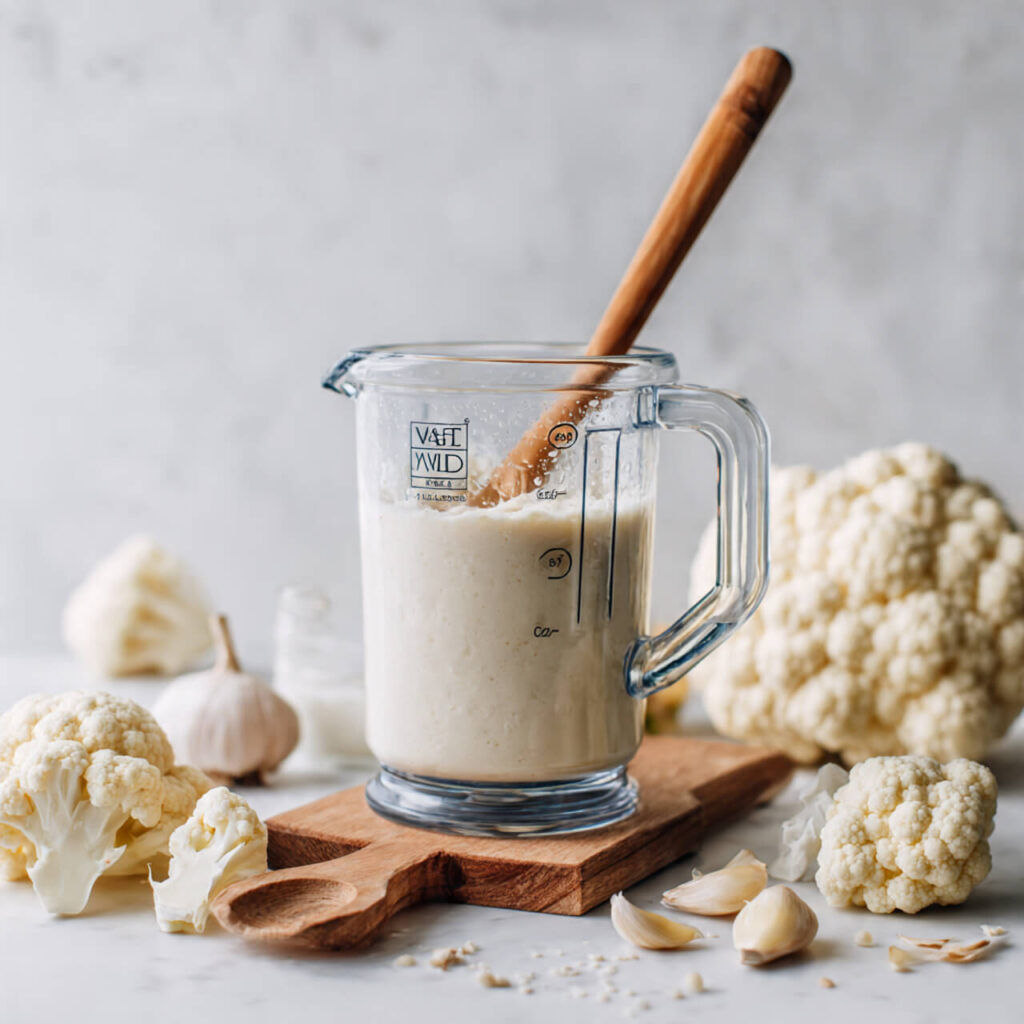
Ingredients That Do the Heavy Lifting
The Base
- Cauliflower florets – Fresh works best, but frozen works in a pinch.
- Vegetable broth – This adds depth instead of using plain water.
- Garlic – I use more than most recipes suggest. Zero regrets.
The Flavor Boosters
- Nutritional yeast – This gives that cheesy, savory vibe.
- Lemon juice – Brightens everything up.
- Olive oil – Adds silkiness and richness.
- Salt & black pepper – Don’t under-season. Ever.
Optional but Amazing
- Unsweetened plant milk for extra creaminess
- Onion powder or white miso for deeper flavor
Ever noticed how restaurant Alfredo tastes rich but not heavy? This combo gets you there.
The One Tool That Actually Matters Here
A high-speed blender makes a huge difference. I tried this once with a weak blender and ended up with cauliflower soup instead of sauce. Lesson learned.
I personally use a blender similar to this one:
👉 https://amzn.to/4bku3xE
It handles hot ingredients smoothly and doesn’t leave gritty bits behind. Worth it if you make sauces often.
Step-by-Step: How I Make Vegan Cauliflower Alfredo
Step 1: Cook the Cauliflower Until Very Soft
I simmer cauliflower florets in vegetable broth with garlic for about 12–15 minutes. I test by piercing with a fork—it should fall apart easily.
Undercooked cauliflower = grainy sauce. Nobody wants that.
Step 2: Blend While Hot
I transfer everything straight to the blender while it’s still hot. Heat helps the sauce emulsify better. I add nutritional yeast, olive oil, lemon juice, salt, and pepper.
Then I blend. And blend. And blend again.
Step 3: Adjust the Texture
If the sauce feels too thick, I add warm broth a splash at a time. If it feels thin, I let it simmer gently for a few minutes.
This sauce thickens as it cools, so don’t panic early.
Tips I Learned the Hard Way
- Blend longer than you think you need to
- Season, taste, then season again
- Use warm liquid—not cold
- Don’t skip acid (lemon juice matters)
FYI, cauliflower loves salt. Be generous.
How This Sauce Compares to Classic Alfredo
Let’s be honest—traditional Alfredo tastes amazing, but it hits heavy. This version keeps the comfort without the food coma.
Here’s the quick breakdown:
- Classic Alfredo: Rich, heavy, dairy-based
- Cauliflower Alfredo: Creamy, lighter, dairy-free
I still crave the classic sometimes, but for weeknights? This wins every time.
Ways I Use This Sauce (Beyond Pasta)
Once you make this, you’ll start putting it on everything.
- Toss with fettuccine or penne
- Drizzle over roasted veggies
- Use as pizza sauce
- Pour over baked potatoes
- Stir into rice or quinoa
Ever tried Alfredo on roasted broccoli? Do it.
Common Mistakes (And How to Avoid Them)
Mistake #1: Not Enough Flavor
Cauliflower needs help. Don’t be shy with garlic, yeast, or salt.
Mistake #2: Grainy Texture
That’s either undercooked cauliflower or weak blending.
Mistake #3: Too Thick or Too Thin
Fix it with warm broth. Easy.
Make-Ahead & Storage Tips
I store this sauce in an airtight container in the fridge for up to 4 days. It thickens overnight, so I reheat gently with a splash of plant milk or broth.
Freezing works too, but the texture changes slightly. Still tasty though.
Ingredients
Method
- Add cauliflower, garlic, and vegetable broth to a pot.
- Simmer for 12–15 minutes until very soft.
- Transfer hot mixture to a blender.
- Add nutritional yeast, olive oil, lemon juice, salt, and pepper.
- Blend until completely smooth.
- Adjust thickness with broth or plant milk.
- Taste and adjust seasoning. Serve warm.
Notes
- Blend while hot for best texture
- Sauce thickens as it cools
- Use fresh garlic for best flavor
- Add pasta water if serving with pasta