
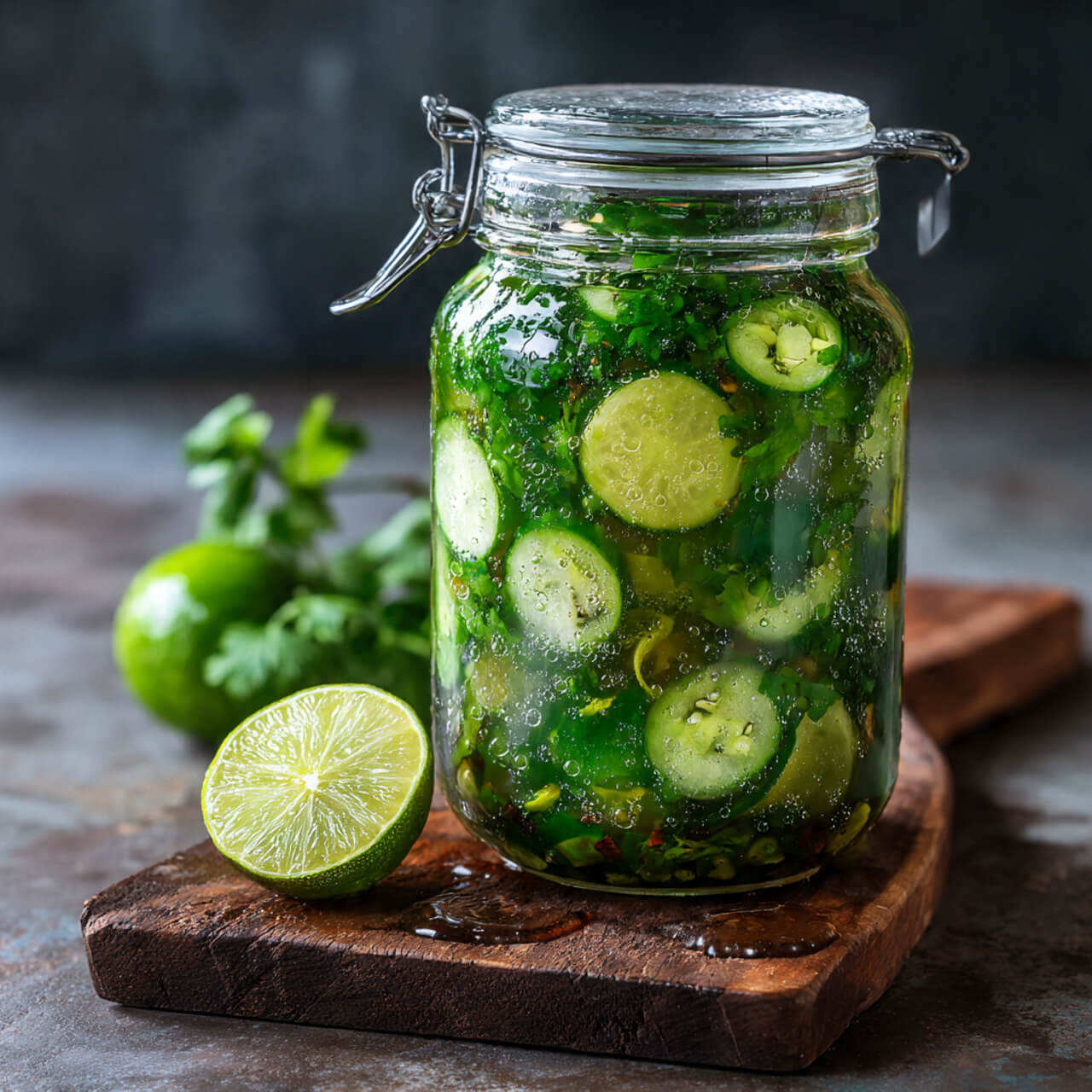
You know that bright, punchy salsa verde that makes tacos taste like they came from your favorite little taqueria? Now imagine that same bold flavor… but tangier, deeper, and secretly packed with probiotics.
That’s exactly why I started making fermented green salsa verde at home. I wanted the zing. I wanted the freshness. And honestly, I wanted a condiment that actually did something good for my gut.
After testing batch after batch (and yes, one overly fizzy jar incident), I finally nailed a zesty probiotic salsa verde recipe that I make on repeat. It’s simple, wildly flavorful, and ridiculously satisfying to watch ferment on your counter.
If you’ve ever wondered how to make lacto fermented salsa verde that tastes legit and not funky in a weird way, stick with me.
Why Ferment Salsa Verde in the First Place?
Let’s be real. Regular salsa verde tastes great. So why mess with it?
Because fermentation transforms it.
When I ferment green salsa, I get:
- Natural probiotics for gut health
- A deeper, tangier flavor
- Longer shelf life
- That subtle fizz that makes it feel alive
Ever taste store-bought salsa that tastes flat after two days? Fermented salsa doesn’t do that. It keeps developing flavor. It feels almost rebellious sitting on the counter bubbling away.
And yes, it’s safe when you do it right.
What Makes This Salsa Verde “Probiotic”?
I use a simple lacto fermentation method. No vinegar. No whey. Just salt and time.
Salt pulls moisture from the vegetables. Naturally occurring bacteria get to work. They convert sugars into lactic acid. That acid preserves the salsa and creates beneficial probiotics.
Sounds scientific. Feels magical.
And before you ask — no, it doesn’t taste like kombucha. It tastes like bright, bold, authentic green salsa… with personality.
The Ingredients That Make It Sing
I keep it classic. I want fresh, vibrant flavor, not a science experiment.
Core Ingredients
- 1 pound fresh tomatillos, husks removed
- 1–2 jalapeños (or serranos if you like heat)
- ½ white onion
- 2 garlic cloves
- ½ cup fresh cilantro
- Juice of 1 lime
- 2 teaspoons sea salt (non-iodized)
That’s it. No vinegar. No sugar. No shortcuts.
I always use Redmond Real Salt – Ancient Fine Sea Salt because it contains no additives and works beautifully for fermentation:
https://amzn.to/4aDiKQE
Avoid iodized salt. It messes with fermentation. Trust me — I learned that the annoying way.
Equipment That Makes Life Easier
You don’t need a full fermentation lab. But a few tools help.
My Go-To Tools
- Glass mason jars (wide mouth works best)
- Fermentation weights
- Airlock lids (optional but helpful)
I use Ball Wide Mouth Mason Jars (32 oz):
https://amzn.to/4rCxTrm
And these Masontops Pickle Pebble Fermentation Weights:
https://amzn.to/3MP1oHg
The weights keep everything submerged under brine. That prevents mold. Mold ruins moods fast.
Step-by-Step: How I Make Fermented Green Salsa Verde
Step 1: Prep the Veggies
Rinse tomatillos and remove husks. Roughly chop them.
Chop jalapeños, onion, and garlic.
I keep seeds in for heat. Remove them if you want milder salsa.
Step 2: Blend It
Add everything to a food processor:
- Tomatillos
- Peppers
- Onion
- Garlic
- Cilantro
- Lime juice
- Salt
Pulse until slightly chunky.
Don’t over-blend. You want texture.
Step 3: Jar It Up
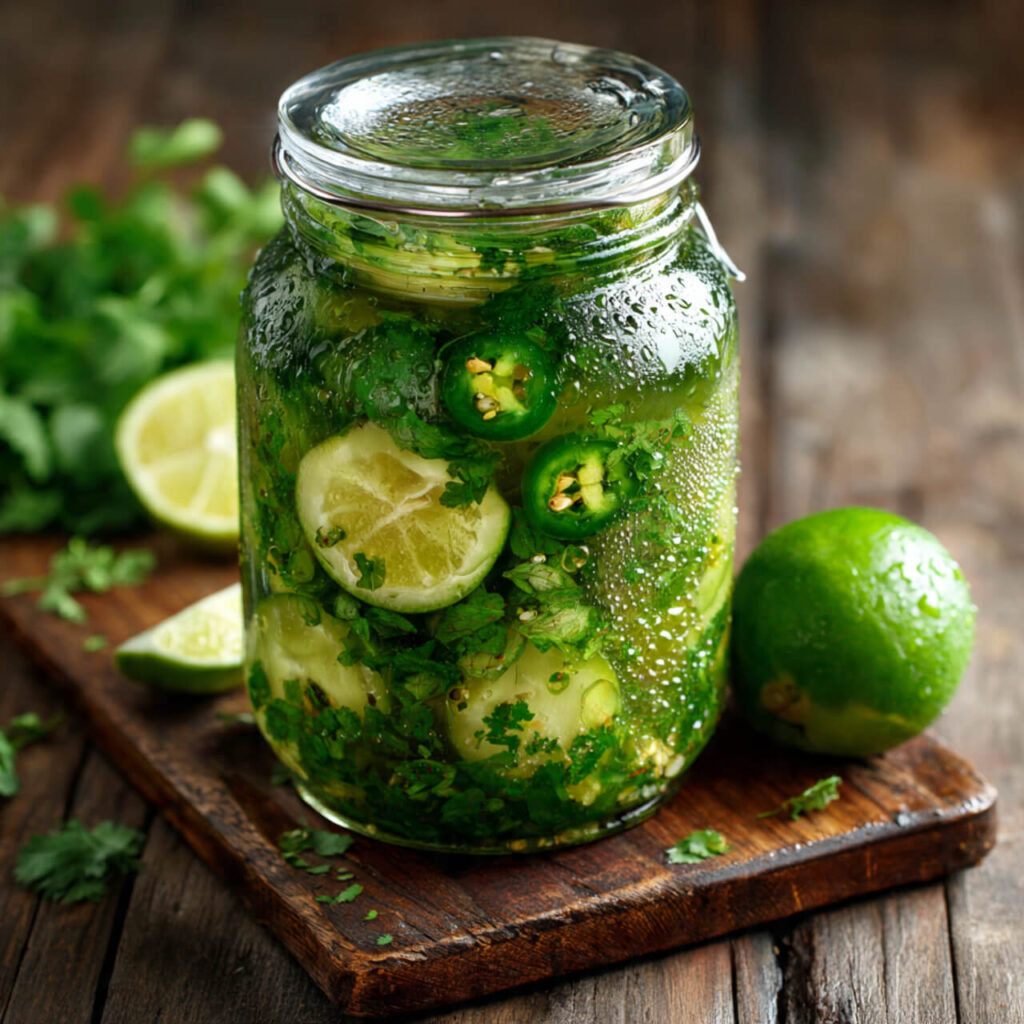
Spoon the salsa into a clean mason jar.
Press it down firmly with a spoon to release air bubbles.
Place a fermentation weight on top.
Make sure the salsa stays fully submerged under its own liquid. If needed, add 1–2 tablespoons filtered water.
Step 4: Let It Ferment
Cover loosely or use an airlock lid.
Leave the jar at room temperature for 2–4 days.
You’ll see bubbles. You’ll smell tanginess.
That’s good.
Taste after 2 days. Want more tang? Let it go another day.
Once you love the flavor, refrigerate. Cold slows fermentation.
How Do You Know It’s Fermenting Correctly?
Great question.
Look for:
- Tiny bubbles
- Slight fizz when opened
- Pleasant tangy smell
Avoid:
- Fuzzy mold
- Rotten smell
- Slimy texture
Fermentation smells bright and sour — not gross.
Ever felt nervous about fermenting at home? I did at first. Now I trust my nose. Your senses guide you.
Flavor Variations I Actually Use
I experiment constantly. Some versions worked. Some… let’s not discuss.
Here are my favorites:
🔥 Roasted Fermented Salsa Verde
Roast tomatillos and peppers at 425°F for 15 minutes before blending.
This adds smoky depth.
🥑 Creamy Avocado Version
Blend fermented salsa with ripe avocado after fermentation.
Add immediately before serving.
🌿 Extra Herb Boost
Add fresh parsley or oregano for earthy notes.
IMO, cilantro still wins.
Why This Salsa Beats Store-Bought (No Shade… Just Facts)
Most jarred salsa contains vinegar for acidity.
That works. But vinegar doesn’t create probiotics.
Fermented salsa:
- Develops complex flavor naturally
- Contains beneficial bacteria
- Lasts longer without preservatives
Plus, homemade tastes fresher. Always.
Ever flip a store jar and read the ingredient list? Yeah. Exactly.
How I Use Fermented Green Salsa Verde
This isn’t just taco salsa.
I spoon it over:
- Grilled chicken
- Scrambled eggs
- Rice bowls
- Nachos
- Avocado toast
- Even soups
Sometimes I eat it with chips straight from the jar. No regrets 🙂
Storage Tips (So You Don’t Ruin It)
Once fermentation reaches your preferred tang:
- Store in refrigerator
- Keep salsa submerged
- Use clean spoon every time
It lasts 2–3 months refrigerated.
Flavor deepens slowly over time.
Ingredients
Method
- Roughly chop tomatillos, peppers, onion, and garlic.
- Add all ingredients to food processor.
- Pulse until slightly chunky.
- Transfer to clean mason jar.
- Press mixture down firmly to remove air pockets.
- Place fermentation weight on top.
- Cover loosely or attach airlock lid.
- Leave at room temperature 2–4 days.
- Taste daily.
- Refrigerate when flavor reaches desired tang.
Notes
- Use non-iodized salt only.
- Keep salsa fully submerged to prevent mold.
- If mold appears, discard entire batch.
- Refrigeration slows fermentation but does not stop it completely.